
How to Clean Vape Battery Contacts & Charging Ports (2026 Australian Guide)
The Short Version
A weak or intermittent charge often comes from pocket lint, sand, salt residue, e-liquid film or a tired cable — not from a “dead” battery. Turn the device off, let it cool, dry-brush the port and contacts, then finish with a barely damp cotton bud of 99% isopropyl alcohol and let it dry before testing. Stop immediately if it is swollen, leaking, dented, hot while idle, smells chemical, or has been wet inside.
Table Of Contents
- Why Dirty Contacts Cause Charging Problems
- Check What Kind Of Device You Have
- What To Use And What It Costs
- Safety Checks Before Cleaning
- How To Clean A Charging Port
- How To Clean Battery And Pod Contacts
- Drying Testing And Storage
- Servos Beaches Dust And Aussie Summer Heat
- When To Stop And How To Dispose Of It
- FAQ
Why Dirty Contacts Cause Charging Problems
A rechargeable vape needs a clean electrical path between the cable, charging port, cell and control board. Lint from jeans packs into USB-C ports like a plug. Beach sand scratches connectors, dried salt attracts moisture, and sweetened e-liquid can leave a sticky film across a contact. None of that means you have done anything shocking; pockets, handbags, utes and gym bags are exactly where this happens.
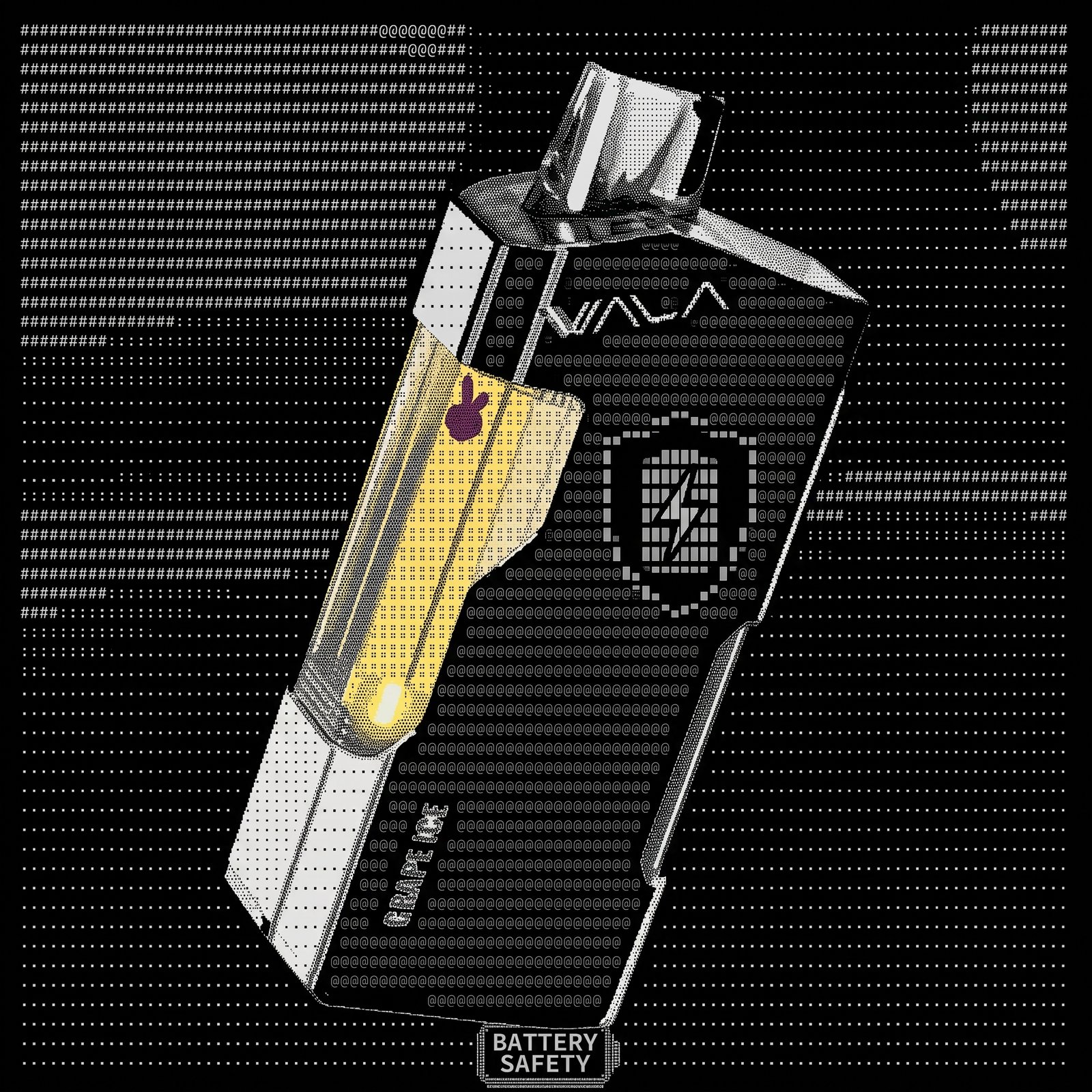
Cleaning matters because the fix can be quick and cheap. A replacement cable might cost A$10–A$25, while a large-capacity disposable commonly sits around A$45–A$70 depending on model and promotion. For example, the WALA POP 10000 is listed at 10,000 puffs, so protecting the connection protects your budget as well as your flavour.
Check What Kind Of Device You Have
First look for a proper USB-C or micro-USB port. Some rechargeable disposables hide it behind a small rubber flap or print “Type-C” near the base. If there is no socket, do not force a cable into an airflow hole, remove the base, or improvise with wires. That can damage the battery or expose the electronics.
If it is a pod system or has a removable tank, there may be visible metal contacts between battery and pod. Those can usually be cleaned gently. A sealed disposable has no user-serviceable terminals inside, so clean only what the manufacturer exposes for normal use — never open the shell.
What To Use And What It Costs
You do not need a repair kit:
- A wooden or plastic toothpick, or a soft anti-static brush.
- Dry cotton buds from a supermarket or pharmacy, usually A$3–A$6.
- 99% isopropyl alcohol from an Australian pharmacy, typically A$8–A$15 for a small bottle.
- A microfibre cloth and good lighting. A phone torch is enough.
- Compressed air can help with loose dust; hold the can upright and use short bursts.
Do not use vinegar, bleach, wet wipes, toothpaste, sewing needles or metal pins. Avoid acetone near plastic and never use a hairdryer on hot. You are removing film and debris, not scrubbing an engine part.
Safety Checks Before Cleaning
Unplug the device and switch it off where possible. Let it cool if it has been in your hand, a parked car or direct sun. Look closely at the shell, base and mouthpiece. Slight warmth after normal use can be normal; swelling, cracks, hissing, chemical smell, liquid from the battery end, heat while idle, or a port that moves when touched are reasons to stop.
Check the cable too. A frayed lead, bent plug, loose connector or burnt smell should go to an e-waste point rather than back onto the device. If the port is corroded green or white, or still charges only at an angle after cleaning, replacement is safer than another attempt.
How To Clean A Charging Port
- Cool and power down. Work on a dry bench or hard table away from bedding and sunlight.
- Remove loose lint first. Use a wooden toothpick or soft brush under bright light. Work around the edge of the port, not against the centre tongue, and lift debris out rather than pushing it deeper.
- Use short air bursts if needed. Keep the nozzle outside the port and the can upright. Do not shake the can or spray liquid propellant into the connector.
- Dampen, do not soak, a cotton bud. Touch it to 99% isopropyl alcohol, then squeeze off excess with a tissue. It should feel almost dry.
- Wipe the accessible opening. Roll the swab gently around the outer area and let it pick up grime. Avoid standing liquid.
- Let it evaporate. Five to ten minutes is usually enough for a tiny amount of 99% alcohol; longer is safer if the bud looked visibly damp.
- Inspect again. There should be no fibres, sticky film or bent metal. Reinsert the cable straight, without force.
How To Clean Battery And Pod Contacts
For devices with removable pods or tanks, separate that section only as directed. Wipe the outside with a dry microfibre cloth. If contact points look dull, dusty or sticky, use a fresh cotton bud with a trace of isopropyl alcohol and wipe each exposed contact in one direction, then follow with the dry end.
Never scrape plated contacts aggressively. The plating helps resist corrosion, and scratches give grime somewhere to cling. Do not drip alcohol into airflow channels or a coil. If e-liquid pools under a pod, remove the pod, stand the battery upright on paper towel and let it dry fully. If the flooded section is sealed, retire the device rather than opening it.
Drying Testing And Storage
After cleaning, reconnect only when everything looks dry. Use a certified low-power adapter, ideally around 5V/1A, and place the vape on a ceramic plate, kitchen bench or desk. Stay nearby. Ten to twenty-five minutes is enough for many rechargeable disposables; unplug when the indicator changes or before you leave the room.
Test with two short, gentle puffs rather than a long draw. If the light behaves normally and vapour production returns, store the device upright, covered where possible, below about 25°C, away from direct sun, keys and coins. A weekly visual check plus a dry brush after the beach or worksite prevents most repeat problems. If you need a backup, browse all disposable vapes before spending again.
Servos Beaches Dust And Aussie Summer Heat
An Australian summer is hard on small lithium cells. A cabin in Western Sydney, a tool box on a worksite or a glovebox in Cairns can pass 40°C well before lunchtime. Heat accelerates battery ageing and can thin e-liquid, increasing seepage around seals. Never leave a vape on the dashboard, beside a heater, or in checked luggage.
Road trips add fuel film, sunscreen, insect spray and gravel dust. If you must top up at a servo, wait until the shade-cool device is no longer warm, use your own undamaged cable and a reputable low-power source, and keep it on the tray rather than upholstery. At the beach, rinse sand off your hands, keep the vape in a zip-lock bag, and wipe salt haze off later. In Darwin’s humidity, dry any condensation before charging.
When To Stop And How To Dispose Of It
Stop using a vape if the body swells, splits, dents deeply, hisses, smells chemical, leaks from the battery end, stays hot when idle, or gets uncomfortably warm during charging. Also stop after sea water, a washing machine cycle, a drop onto concrete, or any failed attempt to open it. Move a hot or strange-smelling device to a cool, non-flammable surface near a door, away from children and pets.
Used vapes are battery waste, not household rubbish or kerbside recycling. Tape exposed terminals if your council asks for it, keep the device upright and dry, then take it to a battery collection bin, community recycling centre or e-waste drop-off. If vaping feels less like a choice and more like maintenance, a GP or quit-support service can help without judgement.
Australia’s nicotine vaping framework sits under the Therapeutic Goods Administration, with extra requirements set by each state or territory. Rules and permitted channels continue to change, so check official TGA guidance before buying and choose retailers that provide clear compliance information, age verification and product specifications.
FAQ
1. Can I clean a vape charging port with water?
No. Water left in a connector can cause corrosion and shorts. Dry-brush first, then use a trace of 99% isopropyl alcohol on a cotton bud if needed. Let it evaporate completely before connecting power.
2. How often should I clean battery contacts?
Check visually once a week if the device lives in a pocket, bag, ute or worksite. Dry-brush after sand, dust or salt exposure, and clean properly whenever charging slows, cuts out, or the indicator flickers.
3. Why does my vape still not charge after cleaning?
Try a different certified cable and low-power adapter, then another wall socket. Check for a loose or corroded port. If it remains dead after drying fully, the cell or control board may have failed.
4. Does cleaning contacts make a WALA POP last longer?
It prevents avoidable charging failures, but cannot create extra e-liquid. WALA POP is listed at 10,000 puffs; actual life depends on puff length, pauses, heat, storage and sharing. Gentle draws and cool upright storage give it the best chance of getting close.
5. Can I use hand sanitiser or methylated spirits?
Hand sanitiser often contains gels, fragrance and water, so it can leave residue. Methylated spirits varies by formulation. Pharmacy-grade 99% isopropyl alcohol used sparingly is the safer choice for electronics.
6. Is it safe to charge a vape after it got wet?
Only after complete drying, with no swelling, corrosion, heat or odd smell, and only if exposure was minor and external. If liquid entered the battery section or the device was submerged, do not recharge it — take it to e-waste.
7. Are disposable vapes legal in Australia?
Nicotine vaping products are regulated federally by the TGA alongside state and territory law, and enforcement has tightened substantially. Check current official guidance before purchasing and deal only with retailers operating within the applicable framework. Keep products away from people under 18.